
![explosion proof split air conditioner[bkt 3.5] ATEX Approved Air Conditioning Units](https://sensor-control.ae/wp-content/uploads/2024/12/Artboard-1Explosion-Proof-Air-Conditioner.png "Class 1 Div 2 Air Conditioner")
Class 1 Division 2 Air Conditioner
A Class 1 Division 2 (C1D2) Air Conditioner is a specially engineered cooling solution designed for hazardous locations where flammable gases or vapors are not normally present but may exist under abnormal conditions such as leaks, system failures, or maintenance activities. These air conditioners are essential for maintaining safe operating temperatures in critical industrial environments while ensuring compliance with strict safety standards.
Understanding Class 1 Division 2
Under the NEC (National Electrical Code) classification system:
Class 1 refers to locations with flammable gases or vapors.
Division 2 indicates that these hazardous substances are present only under abnormal or infrequent conditions.
Typical gases include propane, methane, hydrogen, gasoline vapors, and other volatile hydrocarbons commonly found in oil & gas, petrochemical, and industrial facilities.
Purpose of a C1D2 Air Conditioner
In hazardous areas, excessive heat can cause equipment malfunction, reduced lifespan, and increased risk of ignition. A Class 1 Div 2 air conditioner provides reliable cooling while preventing sparks, hot surfaces, or electrical faults that could ignite flammable atmospheres. These units are commonly used to cool:
Electrical control panels
Analyzer shelters
MCC rooms
Control rooms
Instrument enclosures
Key Design Features
Class 1 Div 2 air conditioners are built with safety as the top priority and typically include:
Non-sparking electrical components
Sealed enclosures to prevent gas ingress
Temperature-limited surfaces to avoid ignition
Heavy-duty corrosion-resistant construction
Continuous operation capability in harsh environments
High-efficiency cooling systems for stable temperature control
These units are rigorously tested to ensure they meet hazardous area requirements without compromising cooling performance.
Applications
C1D2 air conditioners are widely used in:
Oil & gas production facilities
Refineries and petrochemical plants
Chemical processing industries
Gas compressor stations
Fuel storage terminals
Offshore platforms
Industrial automation and control systems
Certifications & Standards
A genuine Class 1 Div 2 air conditioner complies with recognized international standards, such as:
UL / CSA Class 1 Division 2
NEC (NFPA 70)
Often considered equivalent to ATEX Zone 2 and IECEx Zone 2, depending on design and certification scope
Advantages
Ensures safe cooling in hazardous areas
Protects sensitive electrical and electronic equipment
Reduces downtime and maintenance costs
Improves operational reliability and safety
Designed for long service life in extreme conditions
Explosion Proof Products
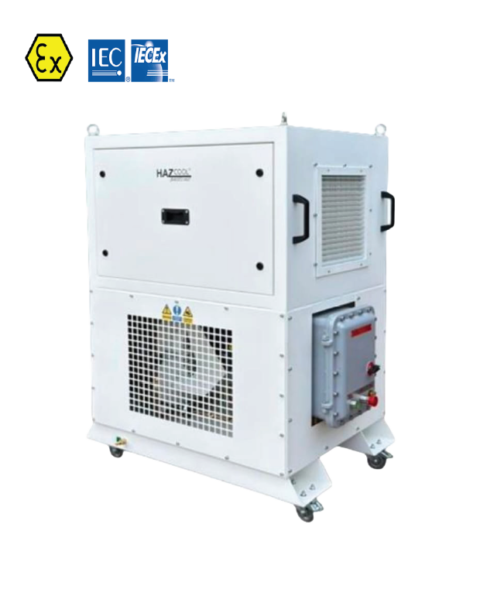
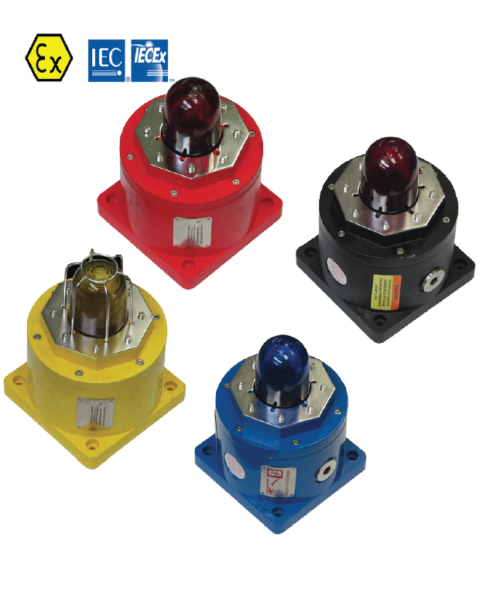
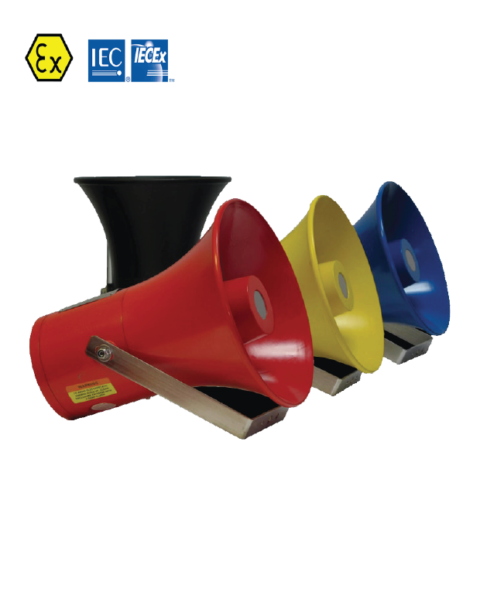
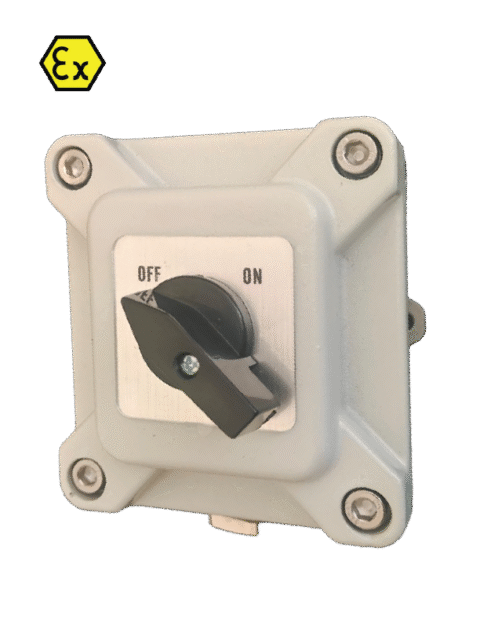
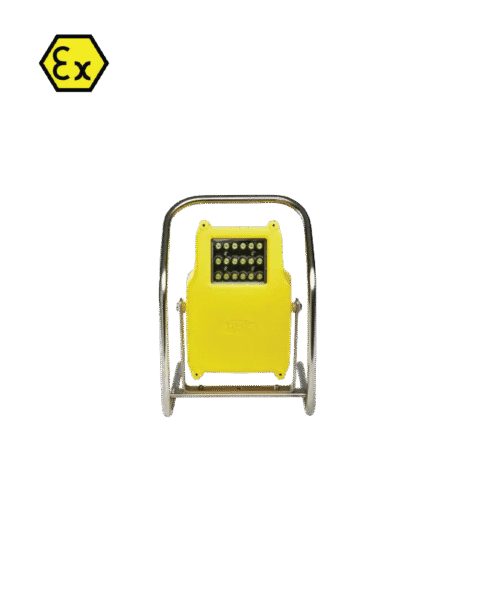
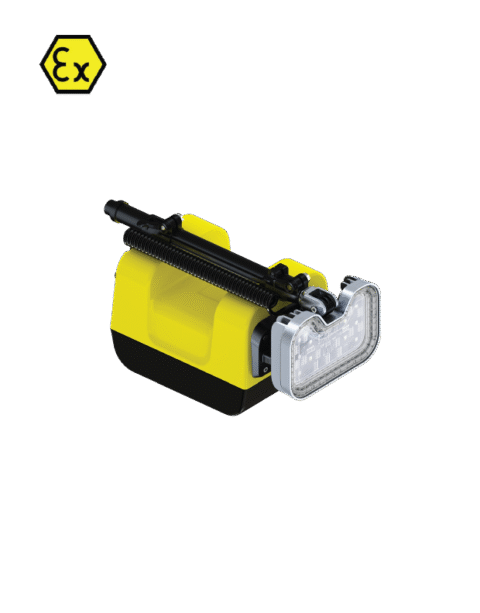
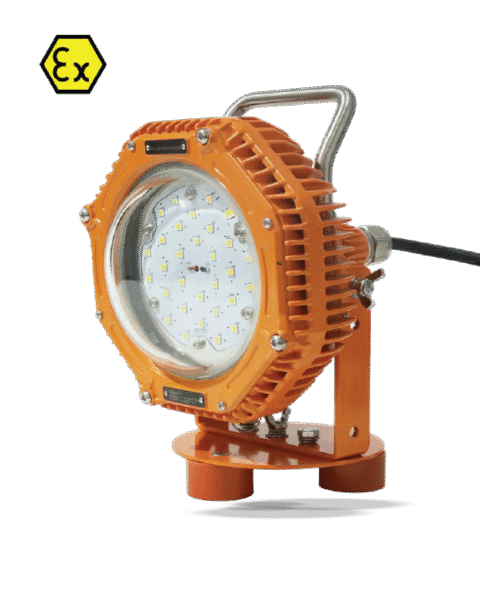
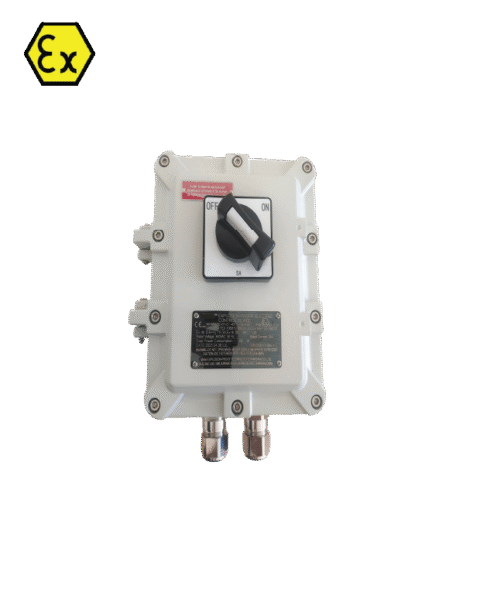
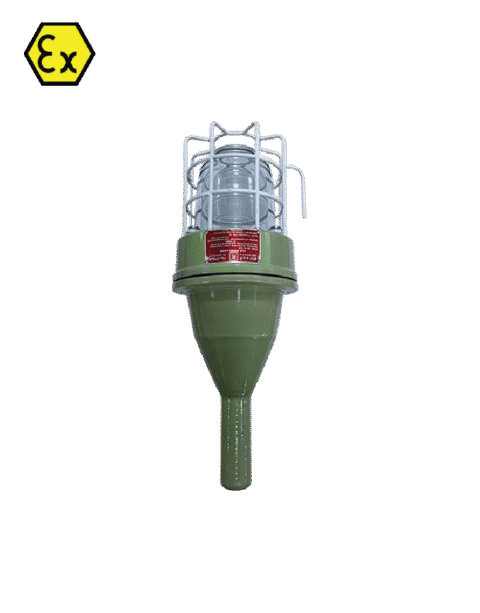

Class 1 Div 2 Air Conditioner: Comprehensive Overview
Class 1 Division 2 (Class 1 Div 2) air conditioners are specialized cooling systems engineered to operate safely in hazardous environments where explosive gases or vapors might be present under abnormal conditions. These units are critical for maintaining safety and operational efficiency in industries like oil and gas, chemical processing, pharmaceuticals, and mining. Below, we provide a detailed discussion of their features, applications, and benefits.
Key Features of Class 1 Div 2 Air Conditioners
Explosion-Proof Design: The units are built with explosion-proof enclosures and components to contain any internal spark or explosion, preventing ignition of the surrounding atmosphere.
Durable Construction: Made from robust materials like stainless steel or powder-coated metals to withstand harsh industrial environments.
Sealed Components: Critical parts like compressors, fans, and electrical connections are sealed to avoid exposure to hazardous gases or vapors.
Corrosion Resistance: Designed to resist corrosion caused by chemicals, moisture, or saline environments, ensuring long-term reliability.
Temperature Control: Advanced cooling mechanisms provide efficient temperature regulation, even in high ambient temperature zones.
Certifications: Certified by international standards such as ATEX, IECEx, and UL, ensuring compliance with global safety norms.
What is Class 1 Div 2?
Class 1 Div 2 is a classification defined by the National Electric Code (NEC) in the United States. It designates areas where:
Flammable gases or vapors are present only under abnormal conditions, such as equipment failures or system leaks.
The risk of explosion exists but is minimal under normal operating conditions.
This classification ensures that any equipment used in such environments, including air conditioners, meets stringent safety and performance standards to prevent accidents.

Applications of Class 1 Div 2 Air Conditioners
These air conditioners are essential in industrial and hazardous environments where safe cooling is a priority. Common applications include:
Oil and Gas Facilities: Used in refineries, drilling rigs, and offshore platforms to ensure the safety of personnel and equipment.
Chemical Processing Plants: Maintain controlled temperatures for sensitive processes while preventing ignition risks.
Pharmaceutical Manufacturing: Provide a sterile and safe cooling environment to protect sensitive products.
Mining Operations: Ensure safety in underground and surface mining sites with potential gas emissions.
Paint Shops and Coating Facilities: Prevent volatile organic compounds (VOCs) from igniting during coating and drying processes.
Storage Facilities: Used in warehouses storing flammable liquids or gases to maintain safe conditions.
Benefits of Class 1 Div 2 Air Conditioners
Enhanced Safety: Designed to minimize the risk of explosions in hazardous locations, protecting both personnel and equipment.
Regulatory Compliance: Meets international safety standards, ensuring compliance with local and global regulations.
Operational Efficiency: Provides reliable cooling in challenging environments, enhancing productivity and equipment performance.
Longevity: Built to withstand harsh conditions, offering long service life with minimal maintenance requirements.
Customizability: Available in various sizes, capacities, and configurations to meet specific industrial needs.
Energy Efficiency: Modern units incorporate energy-efficient technologies, reducing operational costs while maintaining optimal performance.
Factors to Consider When Choosing a Class 1 Div 2 Air Conditioner
Selecting the right air conditioner for a hazardous environment involves several considerations:
Hazard Classification: Ensure the unit is certified for Class 1 Div 2 environments and meets the specific hazardous zone requirements.
Cooling Capacity: Choose a unit with adequate BTU (British Thermal Unit) capacity to handle the cooling load of the space.
Environmental Conditions: Consider factors like ambient temperature, humidity, and exposure to corrosive substances.
Power Supply: Check compatibility with the available power source and voltage requirements.
Installation Requirements: Ensure the unit can be installed safely and securely in the designated area.
Maintenance Needs: Opt for models with easy maintenance features to minimize downtime and repair costs.
Certification: Verify certifications such as ATEX, IECEx, UL, or CSA to ensure compliance with safety standards.
Maintenance and Safety Guidelines
Proper maintenance and adherence to safety protocols are critical for ensuring the longevity and safe operation of Class 1 Div 2 air conditioners. Key practices include:
Regular Inspections: Conduct periodic checks for signs of wear, corrosion, or damage to components.
Cleaning: Clean filters, coils, and vents to maintain optimal airflow and cooling efficiency.
Component Testing: Test electrical connections, sensors, and compressors to ensure they are functioning correctly.
Professional Servicing: Engage certified technicians for repairs or servicing to avoid compromising the unit’s safety features.
Record Keeping: Maintain detailed records of maintenance activities and inspections for compliance and troubleshooting purposes.
Emergency Procedures: Train personnel on emergency shutdown procedures in case of equipment failure or hazardous conditions.
Certifications and Standards
Class 1 Div 2 air conditioners must adhere to stringent safety and performance standards. Common certifications include:
ATEX (Atmosphères Explosibles): Required for equipment used in explosive atmospheres within the European Union.
IECEx (International Electrotechnical Commission System for Certification to Standards Relating to Equipment for Use in Explosive Atmospheres): Ensures compliance with international safety standards.
UL (Underwriters Laboratories): Verifies safety and performance in the United States and Canada.
CSA (Canadian Standards Association): Certifies compliance with Canadian safety standards.
Future Trends in Class 1 Div 2 Air Conditioning
- Smart Technology Integration: The incorporation of IoT-enabled sensors and controls for real-time monitoring and remote management.
Energy Optimization: Development of more energy-efficient models to reduce power consumption and environmental impact.
Compact Designs: Innovations in compact and lightweight designs for easier installation and mobility.
Advanced Materials: Use of advanced corrosion-resistant materials for longer durability in extreme conditions.
Customized Solutions: Increased demand for tailor-made units designed for specific industrial applications.
Why Choose a Reliable Supplier?
Partnering with a reputable supplier is crucial to ensure the quality and performance of your Class 1 Div 2 air conditioner. Benefits of working with a trusted supplier include:
Access to certified and high-quality products.
Expert guidance in selecting the right model.
Comprehensive after-sales support, including maintenance and servicing.
Competitive pricing without compromising safety or reliability.
Timely delivery and installation services.
Contact Information:
- Website: sensor-control.ae
- Email: sales@sensor-control.ae
- Phone: +971502447100

