
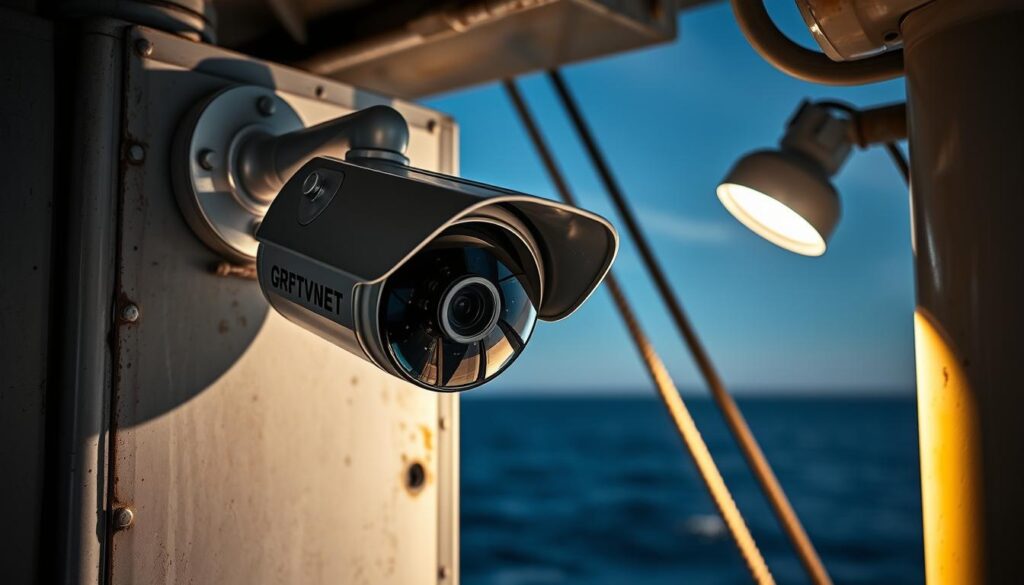
Marine CCTV Camera System with Explosion Proof CCTV Camera & DNV Type Approval
Marine environments are notoriously harsh, with equipment often subjected to extreme temperatures, corrosive saltwater, and high pressures. In such challenging conditions, the reliability of surveillance systems is crucial for safety and operational efficiency. Sensor Control Technologies has addressed this need with its innovative Marine CCTV Camera System, designed to withstand these extreme conditions.
This system boasts DNV type approval, a prestigious certification that signifies compliance with stringent maritime industry standards. By integrating explosion proof CCTV cameras, the system ensures continuous surveillance in hazardous zones, enhancing safety and security on marine vessels and offshore platforms.
- Sensor Control Technologies Marine CCTV Camera System is designed for harsh marine environments.
- The system holds DNV type approval, meeting maritime industry standards.
- It incorporates explosion proof CCTV cameras for safe operation in hazardous zones.
- The system enhances safety and security on marine vessels and offshore platforms.
- It is engineered to withstand extreme temperatures and corrosive conditions.
Safeguarding Maritime Operations in Extreme Environments
Safeguarding maritime operations in extreme environments requires advanced surveillance technologies. The maritime industry faces numerous challenges in maintaining effective surveillance due to the harsh conditions at sea.
Challenges of Marine Surveillance
Marine surveillance is fraught with challenges, including the corrosive effects of saltwater and the impact of extreme weather conditions. These factors can significantly compromise the integrity and functionality of standard CCTV systems.
Corrosive Saltwater Exposure
The exposure to corrosive saltwater is a significant challenge for maritime surveillance equipment. Explosion proof IP cameras and ATEX cameras are designed to withstand such corrosive environments, ensuring continuous operation.
| Feature | Standard CCTV | Explosion Proof CCTV |
|---|---|---|
| Corrosion Resistance | Limited | High |
| Weather Resistance | Limited | High |
| Safety in Hazardous Areas | No | Yes |
Extreme Weather Conditions
Maritime operations are often exposed to extreme weather conditions, including high winds, heavy rainfall, and significant temperature fluctuations. Explosion proof CCTV cameras are engineered to operate reliably under these conditions, providing consistent surveillance.
The use of explosion proof IP cameras and ATEX cameras addresses the challenges posed by corrosive saltwater exposure and extreme weather, ensuring the continuity of maritime operations.
What Makes Explosion Proof CCTV Camera Systems Essential at Sea
Explosion-proof CCTV camera systems play a vital role in safeguarding maritime operations, particularly in environments with potential ignition sources. The maritime industry is fraught with hazards, including explosive atmospheres that can be ignited by sparks or hot surfaces.
The classification of hazardous zones is a critical aspect of ensuring safety on maritime vessels and offshore platforms. Hazardous Zone Classifications are defined by regulatory bodies to categorize areas based on the likelihood of explosive atmospheres being present.
Hazardous Zone Classifications
Areas are classified into different zones based on the presence and likelihood of explosive atmospheres. For instance, Zone 0 is considered the most hazardous, as it is an area where an explosive atmosphere is present continuously or for long periods.
| Zone Classification | Description | Examples of Locations |
|---|---|---|
| Zone 0 | Explosive atmosphere present continuously or for long periods | Inside storage tanks for flammable liquids |
| Zone 1 | Likely to occur in normal operation occasionally | Areas surrounding Zone 0 locations |
| Zone 2 | Not likely to occur in normal operation, but possible for short periods | Areas near flammable liquid handling equipment |
Potential Ignition Sources
Maritime environments are replete with potential ignition sources, including electrical equipment, hot surfaces, and mechanical sparks. Explosion-proof CCTV cameras are designed to prevent ignition by ensuring that they do not produce sparks or excessive heat.
Regulatory Compliance Requirements
Regulatory bodies such as the International Electrotechnical Commission (IEC) and the American Petroleum Institute (API) set stringent standards for equipment used in hazardous environments. Compliance with these regulations is mandatory for ensuring the safety of personnel and equipment.
In conclusion, explosion-proof CCTV camera systems are essential for maritime operations due to their ability to operate safely in hazardous environments. By understanding hazardous zone classifications, mitigating potential ignition sources, and adhering to regulatory compliance requirements, maritime operators can significantly enhance safety and security.
Maritime Equipment
DNV Type Approval is recognized globally as a prestigious certification for maritime equipment, ensuring it meets the highest standards of safety and performance.
The process of obtaining DNV Type Approval involves rigorous testing protocols that assess the equipment’s durability, functionality, and safety under various conditions. This includes environmental testing, performance testing, and failure testing to ensure that the equipment can withstand the harsh marine environment.
Rigorous Testing Protocols
The testing protocols for DNV Type Approval are comprehensive and designed to simulate the extreme conditions that maritime equipment may face. This includes exposure to saltwater, extreme temperatures, and vibration.
International Recognition
DNV Type Approval is internationally recognized, making it a valuable certification for manufacturers looking to market their products globally. It signifies that the equipment has been tested to meet the highest international standards.
Compliance with Maritime Standards
Compliance with maritime standards is crucial for ensuring the safety and reliability of maritime equipment. DNV Type Approval ensures that equipment meets these standards, reducing the risk of accidents and equipment failure.
| Certification Aspect | Description | Benefit |
|---|---|---|
| Rigorous Testing | Comprehensive testing under various conditions | Ensures durability and safety |
| International Recognition | Globally accepted certification | Facilitates global market access |
| Compliance with Standards | Adherence to maritime standards | Reduces risk of accidents and equipment failure |
Sensor Control Technologies: Pioneering Marine Surveillance Solutions
Sensor Control Technologies is revolutionizing maritime safety with advanced surveillance. With a strong foundation in the industry, the company has established itself as a leader in providing cutting-edge marine surveillance solutions.
Company Background and Expertise
Sensor Control Technologies boasts a rich background in developing and supplier high-quality surveillance equipment. Their expertise in marine surveillance is evident in their comprehensive product range, designed to meet the rigorous demands of maritime environments.
Global Service Network
Sensor Control Technologies supports its global clientele with an extensive service network. This ensures timely and efficient support, reinforcing the company’s commitment to customer satisfaction and product reliability.
| Capability | Description | Benefit |
|---|---|---|
| Research and Development | Continuous investment in R&D | Staying ahead of industry advancements |
| Global Service Network | Extensive support globally | Timely and efficient customer support |
| Surveillance Expertise | Comprehensive product range | Meeting maritime surveillance demands |
Key Features of Our Marine CCTV Camera System
The Marine CCTV Camera System by sensor control Technologies is engineered to withstand the harshest marine environments.
316L Stainless Steel Construction
The system’s 316L stainless steel construction provides exceptional corrosion resistance, ensuring durability in saltwater exposure. This material choice significantly extends the system’s lifespan in corrosive marine environments.
IP68/IP69K Waterproof Rating
With an IP68/IP69K waterproof rating, the Marine CCTV Camera System is protected against dust and water ingress, even under high-pressure cleaning conditions. This rating guarantees the system’s reliability in wet and harsh environments.
Advanced Imaging Technology
The system’s advanced imaging technology is designed to deliver high-quality visuals under various lighting conditions. This includes:
Low-Light Performance
The camera’s low-light performance capabilities ensure clear images even in dimly lit environments, enhancing surveillance effectiveness during nighttime or in shaded areas.
Thermal Imaging Options
Thermal imaging options are available for detecting temperature differences, useful for identifying potential issues or intruders, even in complete darkness or through smoke.
The combination of these features makes the Marine CCTV Camera System an indispensable tool for maritime surveillance. Here’s a summary of its key features:
| Feature | Description | Benefit |
|---|---|---|
| 316L Stainless Steel | High corrosion resistance | Extended system lifespan |
| IP68/IP69K Rating | Protection against dust and water | Reliability in harsh environments |
| Advanced Imaging | High-quality visuals | Enhanced surveillance effectiveness |
Technical Specifications of Our Explosion Proof CCTV Camera Range
The technical specifications of our explosion-proof CCTV camera range are tailored to meet the demanding needs of marine surveillance.
Resolution and Frame Rate Capabilities
Our explosion-proof CCTV cameras offer high-resolution imaging, with options up to 4MP and frame rates of 30fps, ensuring clear and smooth video capture even in fast-paced maritime environments.
Operating Temperature Range (-40°C to +60°C)
These cameras are designed to operate effectively across a wide temperature range of -40°C to +60°C, making them suitable for extreme weather conditions encountered at sea.

Power Requirements and Consumption
Our cameras are engineered for efficiency, with a low power consumption that minimizes the load on ship power systems, while maintaining high performance.
Communication Protocols
The cameras support multiple communication protocols, ensuring seamless integration with various ship management systems.
ONVIF Compliance
Our explosion-proof CCTV cameras are ONVIF compliant, guaranteeing compatibility with a wide range of third-party systems and facilitating easy integration into existing surveillance networks.
Network Integration Options
With support for network integration, our cameras can be easily incorporated into IP-based surveillance systems, allowing for centralized monitoring and control.
The combination of these technical specifications makes our explosion-proof CCTV camera range an ideal solution for maritime surveillance, offering reliability, flexibility, and high performance in challenging environments.
Applications Across Maritime Industries
Our CCTV Camera System is designed to meet the diverse needs of multiple maritime sectors. The system’s robustness and reliability make it an essential component across various maritime industries.
Offshore Oil and Gas Platforms
Offshore oil and gas platforms require stringent security and surveillance measures due to the hazardous nature of their operations. Our Marine CCTV Camera System provides real-time monitoring, enhancing safety and security in these critical infrastructure areas.
LNG Carriers and Tankers
LNG carriers and tankers operate in harsh marine environments and require specialized surveillance equipment. The explosion-proof design of our CCTV cameras ensures reliable operation in these hazardous environments.
Naval and Coast Guard Vessels
Naval and coast guard vessels demand high performance surveillance systems for both security and tactical operations. Our CCTV Camera System offers advanced imaging capabilities, supporting these critical missions.
Port Facilities and Terminals
Port facilities and terminals are critical infrastructure points that require comprehensive surveillance to ensure security and facilitate smooth operations. Our Marine CCTV Camera System helps in monitoring these areas effectively, deterring potential threats and enhancing operational efficiency.
The versatility of our CCTV Camera System across these different maritime industries underscores its value as a comprehensive surveillance solution
Installation Best Practices for Marine Environments
Effective installation of CCTV systems at sea involves several key considerations to ensure optimal performance and longevity. Installing a Marine CCTV Camera System in harsh marine environments requires careful planning and execution.
Proper Mounting Techniques
Selecting the right mounting technique is crucial for the stability and effectiveness of the CCTV camera. Vibration-resistant mounts are recommended to withstand the rough conditions at sea.
Cable Protection and Management
Cables should be protected from corrosive saltwater and extreme weather conditions. Using marine-grade cabling and proper cable management techniques can prevent damage and ensure reliable data transmission.
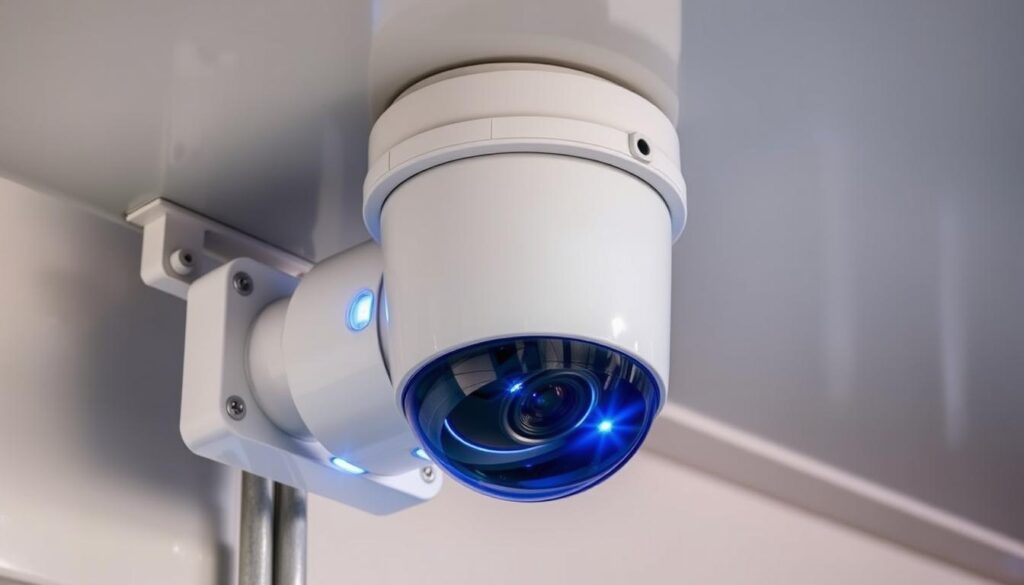
marine CCTV camera installation best practices
Grounding and Surge Protection
Adequate grounding and surge protection are essential to safeguard the system against electrical surges and lightning strikes. This helps in maintaining the integrity of the CCTV system.
Commissioning Procedures
Thorough commissioning procedures, including testing and calibration, ensure that the CCTV system operates as intended. Regular checks during commissioning can identify and rectify potential issues early on.
Integration with Ship Management Systems
By integrating our Marine CCTV Camera System with ship management systems, maritime operators can achieve a new level of operational synergy. This integration enables the creation of a comprehensive and cohesive operational framework that enhances overall efficiency and safety.
Bridge Integration Options
The Marine CCTV Camera System offers flexible bridge integration options, allowing for seamless incorporation into existing ship management systems. This integration facilitates real-time monitoring and control, enabling operators to make informed decisions promptly.
Compatibility with Navigation Equipment
Our CCTV system is designed to be compatible with a wide range of navigation equipment, ensuring that it can be easily integrated into the existing infrastructure of various maritime vessels. This compatibility is crucial for maintaining operational harmony and reducing the complexity of system management.
Alarm and Alert Systems
The integrated system can be configured to trigger alarms and alerts in response to specific events detected by the CCTV cameras, such as unauthorized access or equipment malfunction. This feature enhances the security and safety of maritime operations.
Remote Monitoring Capabilities
With remote monitoring capabilities, operators can access the CCTV feed from anywhere, providing flexibility and enhancing response times to incidents. This feature is particularly valuable for large fleets or for shore-based management teams.
| Feature | Benefit | Impact |
| Bridge Integration | Real-time monitoring and control | Enhanced operational efficiency |
| Navigation Equipment Compatibility | Easy integration into existing infrastructure | Reduced complexity in system management |
| Alarm and Alert Systems | Enhanced security and safety | Prompt response to incidents |
| Remote Monitoring | Flexibility in operations | Improved response times |
Return on Investment: Beyond Compliance
Beyond ensuring compliance with maritime regulations, our Marine CCTV Camera System provides a multifaceted return on investment. The benefits of such a system are far-reaching, impacting various aspects of maritime operations.
Enhanced Operational Safety
The installation of our CCTV camera system significantly enhances operational safety on maritime vessels and offshore platforms. By providing real-time surveillance, it helps in monitoring critical areas, thereby reducing the risk of accidents.
Insurance Premium Reductions
Many insurance providers offer reduced premiums to vessels and platforms equipped with advanced safety and security measures, including CCTV surveillance systems. This can lead to substantial cost savings over time, directly contributing to a positive return on investment.
Extended Equipment Lifecycle
By monitoring equipment and areas prone to damage or tampering, the CCTV system helps in maintaining the integrity and longevity of maritime assets, thus extending their lifecycle and reducing maintenance costs.
| Aspect | Without CCTV | With CCTV |
| Operational Safety | High Risk | Significantly Reduced |
| Insurance Premiums | Standard Rates | Reduced Rates |
| Incident Investigation | Difficult | Efficient |
| Equipment Maintenance | Reactive | Proactive |
In conclusion, the return on investment for our Marine CCTV Camera System is multifaceted, enhancing safety, reducing costs, and improving operational efficiency.
Conclusion: Securing Your Maritime Assets with Advanced CCTV Solutions
Securing maritime assets is a top priority in the maritime industry, where extreme environments and hazardous conditions pose significant challenges. Xi’an Kaidun Technologies’ Marine CCTV Camera System, featuring Explosion Proof CCTV Camera and DNV Type Approval, plays a vital role in ensuring operational integrity and safety.
By investing in advanced CCTV solutions, maritime operators can enhance security, reduce risks, and improve overall efficiency. The system’s robust design, advanced imaging technology, and compliance with international standards make it an essential component for safeguarding maritime operations.
With the increasing demand for secure and reliable maritime surveillance, Xi’an Kaidun Technologies is at the forefront of providing cutting-edge solutions. By choosing their Marine CCTV Camera System, maritime operators can protect their assets, prevent incidents, and maintain compliance with regulatory requirements, ultimately securing their maritime operations and assets.
FAQ
What is an explosion-proof CCTV camera, and how does it differ from a standard CCTV camera?
What is DNV Type Approval, and why is it important for marine CCTV systems?
What are the benefits of using an intrinsically safe security camera in hazardous environments?
How do I choose the right explosion-proof CCTV camera for my application?
What is the difference between IP68 and IP69K waterproof ratings, and which is more suitable for marine applications?
Can explosion-proof CCTV cameras be integrated with existing ship management systems?
What are the key considerations for installing explosion-proof CCTV cameras in marine environments?
Are Avigilon explosion-proof cameras suitable for use in hazardous zones?
How do I ensure that my explosion-proof CCTV camera system is compliant with relevant regulations and standards?
Contact Information:
- Website: sensor-control.ae
- Email: sales@sensor-control.ae
- Phone: +971502447100
As a top-tier Ex-Proof products supplier in UAE, Sensor Control LLC is dedicated to powering industries with high-quality motors, ensuring operational excellence and efficiency across the UAE, Saudi Arabia, and the Middle East. Choose Sensor Control LLC, the leading motors supplier in UAE, for all your motor needs.

